
Patient Resources
Get Healthy!
Even Mild Oxygen Loss in Preemies' First Hours Poses Lifelong Brain Risks: Study
- March 28, 2026
- Carole Tanzer Miller HealthDay Reporter
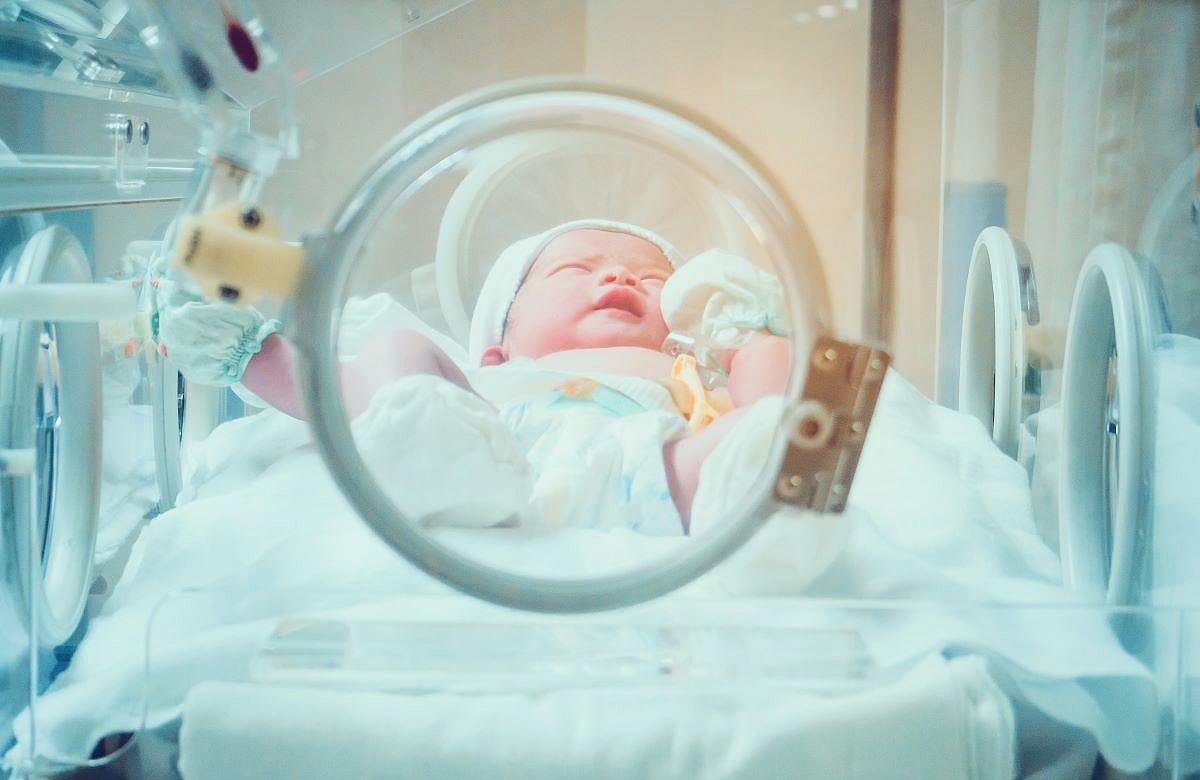
Many babies born prematurely experience a brief lack of oxygen while in intensive care, and new research suggests it can affect learning and memory into their teens and beyond.
"Just one bad day in the NICU could be all it takes to change the trajectory of brain development throughout life," said lead author Dr. Stephen Back, a professor of pediatrics at Oregon Health & Science University (OHSU) in Portland.
Many complications of premature birth, including under-developed lungs and lung function, may impede the flow of oxygen to a newborn’s tissue and cells.
Other studies have looked at the effects of prolonged disruptions associated with inflammation, brain injury and seizures in older children or adults.
The OHSU team described their study -- published March 23 in The Journal of Neuroscience -- as the first to explore the effects of mild intermittent hypoxia on a preemie’s brain.
Hypoxia -- simply defined as low oxygen levels in body tissues -- can be life-threatening in folks of any age. In premature newborns, brief, repeated episodes can be life-altering, the study suggests.
"Historically, it is prolonged, significant hypoxic events that were the primary concern for long-term adverse outcomes, but this research tells us that intermittent episodes may also be a cause for concern," said Dr. Cindy McEvoy, a professor of pediatrics who cares for critically ill preemies.
For the study, the OHSU team used a mouse model to gauge the effects of mild hypoxia after a premature birth.
They identified a mechanism in a brain region responsible for memory and learning called the hippocampus that may help explain the severity of hypoxia effects in preemies.
When examining brain tissue in mice that had experienced these intermittent hypoxic events, the team found that a brain system designed to transmit information throughout the nervous system was hindered.
In particular, communication between the hippocampus and the cortex, a layer of the brain that reasons and solves problems, was impeded. What’s more, nerve cells in the hippocampus not only didn’t develop as expected early on, they hadn’t recovered even by adulthood.
This communication is how the brain relays messages throughout the body, researchers explained.
When the relay is compromised, everyday behaviors like movement and breathing as well as regulating emotions, learning and remembering things can be affected.
While animal studies often yield different results when repeated in people, researchers called their findings concerning.
"These impacts are not something we would see on standard tests or scans in the NICU; they are happening deep within the connections of the brain, and may present years later as the child develops," McEvoy said.
"If we know these children are at risk for learning and memory challenges, we can intervene earlier and provide the support and resources they need to thrive," she added.
Should studies in humans yield similar findings, they could prompt more interventions in the NICU. These could include continuous positive airway pressure (CPAP) to help improve babies’ respiratory development and head off these short-term breathing disruptions.
The results may also help doctors identify early on which patients need additional early interventions as they grow.
More information
There’s more about infant brain development at Zero To Three.
SOURCE: Oregon Health & Science University, news release, March 23, 2026
