
Patient Resources
Get Healthy!
Statin Drugs Are Safer Than Warnings Suggest, Evidence Shows
- February 9, 2026
- Dennis Thompson HealthDay Reporter
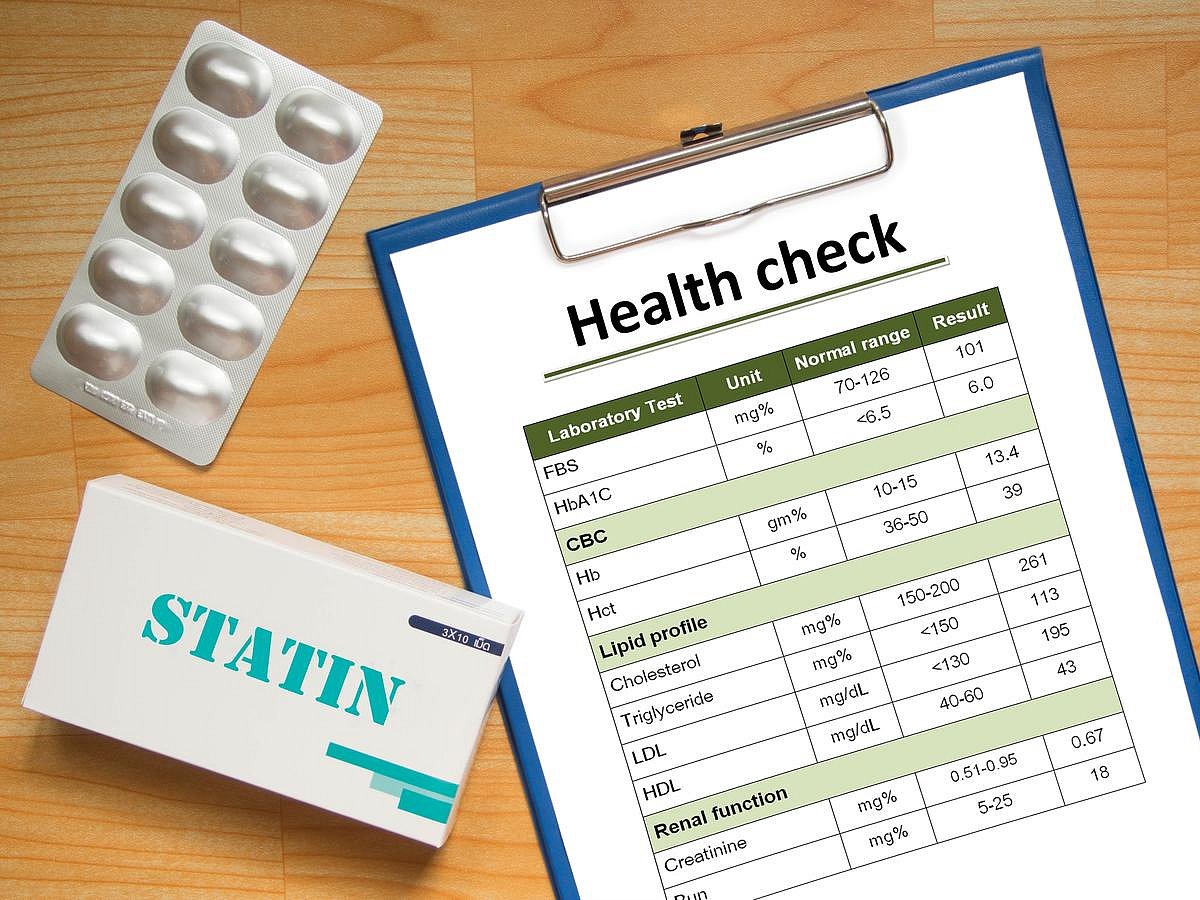
Packaging for cholesterol-lowering statin drugs come with a disturbingly long list of potential side effects.
But don’t be scared -- statins cause hardly any of the side effects listed in these warnings, a new evidence review says.
Taking a statin didn’t cause any meaningful increase in memory loss, dementia, depression, sleep problems, erectile dysfunction, weight gain, nausea, fatigue or headache, among many other conditions contained in package warnings, researchers reported Feb. 5 in the journal The Lancet.
“Statins are life-saving drugs used by hundreds of millions of people over the past 30 years. However, concerns about the safety of statins have deterred many people who are at risk of severe disability or death from a heart attack or stroke,” said lead researcher Christina Reith, an associate professor of population health at the University of Oxford in the U.K.
“Our study provides reassurance that, for most people, the risk of side effects is greatly outweighed by the benefits of statins,” Reith said in a news release.
For the new study, researchers gathered data from 23 previous large-scale clinical trials of statins.
These included 19 trials involving nearly 124,000 people that compared statins against placebo, and four trials that compared lighter versus heavier doses of statins among nearly 31,000 people.
Regarding almost all side effects listed in package leaflets, researchers found a similar number of reports from people taking statins and those taking placebo.
For example, about 0.2% of statin users reported memory problems or cognitive impairment, the same percentage as those taking a placebo.
The evidence review did find a 0.1% increase in risk for abnormal liver readings, but these readings didn’t translate into an increased risk of liver disease.
“Statin product labels list certain adverse health outcomes as potential treatment-related effects based mainly on information from non-randomized studies, which may be subject to bias,” said Rory Collins, emeritus professor of medicine and epidemiology at the University of Oxford.
“We brought together all of the information from large randomized trials to assess the evidence reliably,” Collins said in a news release. “Now that we know that statins do not cause the majority of side effects listed in package leaflets, statin information requires rapid revision to help patients and doctors make better-informed health decisions.”
The team had previously shown that statins cause muscle aches and pains in about 1% of users during the first year of treatment, researchers said.
Statins can cause a small increase in blood sugar levels, but the increase is significant mainly for people already at high risk of diabetes, researchers said.
“These findings are hugely important and provide authoritative, evidence-based reassurance for patients,” Dr. Bryan Williams, chief scientific and medical officer at the British Heart Foundation, said in a news release.
“Statins are lifesaving drugs, which have been proven to protect against heart attacks and strokes,” added Williams, who was not involved in the review. “Among the large number of patients assessed in this well-conducted analysis, only four side effects out of 66 were found to have any association with taking statins, and only in a very small proportion of patients.”
In addition to muscle problems and blood sugar increases, the new review found a very small (less than 0.1%) increase in risk for medical issues involving changes in urine, as well as for water retention that can cause swelling in the ankles, feet and legs.
However, analysis of the four trials comparing light to heavy statin treatment showed no significant excess risk for these side effects, drawing into question whether those risks are real, researchers said.
More information
Harvard Medical School has more on the risks of taking statins.
SOURCE: University of Oxford, news release, Feb. 5, 2026
